
what Brazilian jobsites learned.
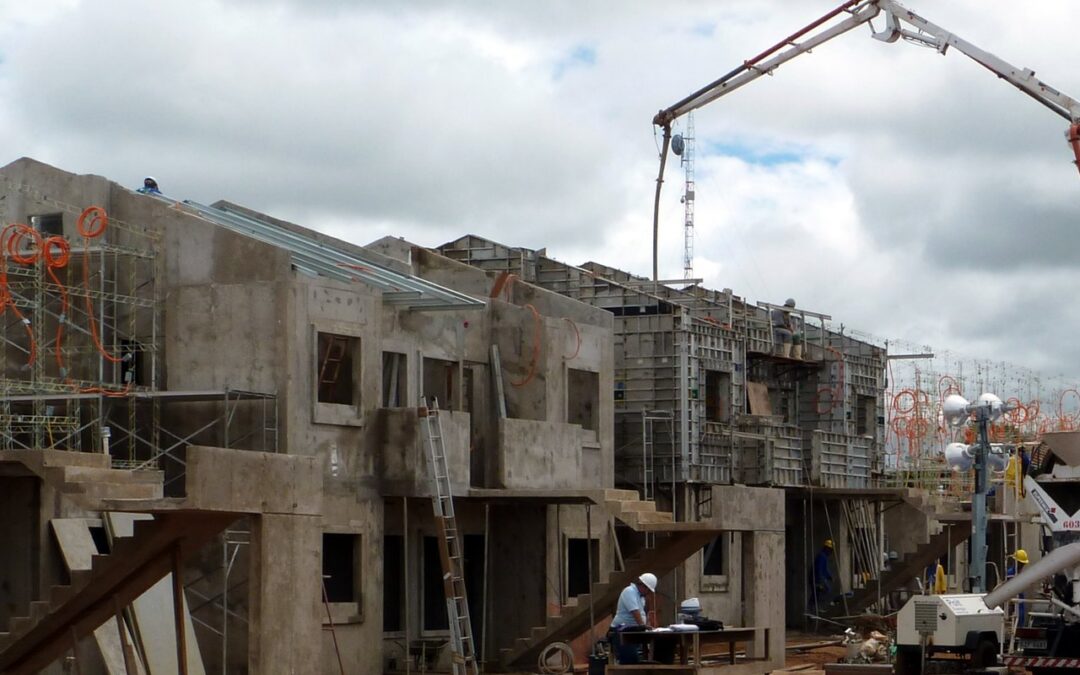
Main image: social housing under construction in Campo Grande, Brazil — photo by WTF Formwork, licensed CC BY-SA 3.0, cropped.
The industry publication JEC Composites ran a feature on the experience of Brazilian engineer Sergio Rabay, of Amira Engenharia, with glass-fibre-reinforced polymer (GFRP) rebar on real projects. The piece starts from a simple observation: GFRP is already used in concrete structures in several markets, but adoption in Brazil is still limited — very much like the situation in Panama and Central America.
Below we summarise, in our own words, the data that was published and look at it through what we see every day in Panamanian construction: tropical climate, salty air, expensive logistics and steel corrosion that shortens the life of buildings, floors and coastal works. We recommend reading the original article on JEC Composites .
Figures as reported by JEC Composites. *Combined effect of the structural redesign and the use of GFRP.
Case 1 — Housing in São Paulo: the job moves faster
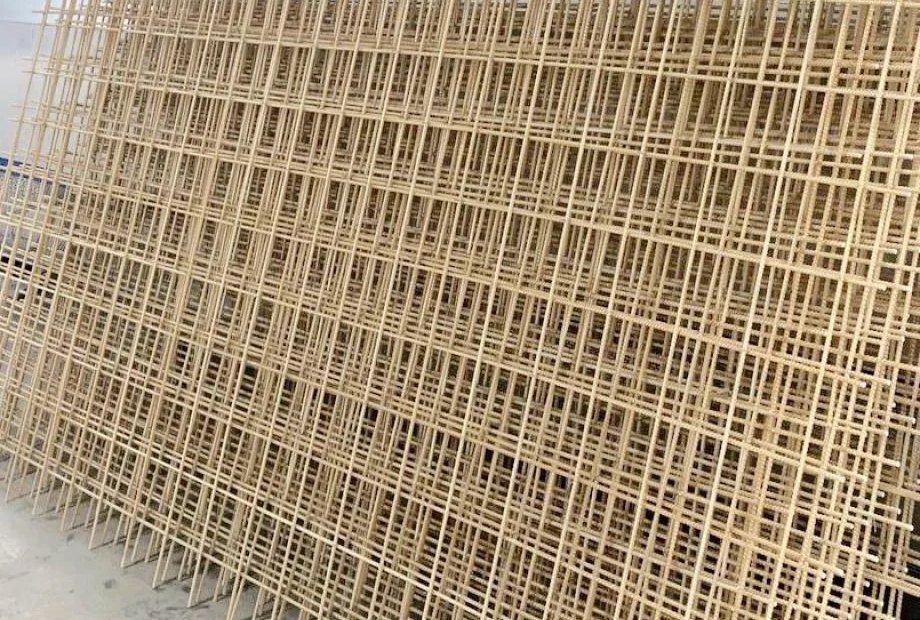
- Rabay's first direct experience with GFRP, in the state of São Paulo.
- He optimised the mesh used in the walls and in the raft foundation.
- The bars were cut and assembled on site; one trained worker produced about 80% of the required assemblies.
- Each structural phase was shortened by roughly 15%.
Case 2 — A 1977 building: rehabilitating corroded columns
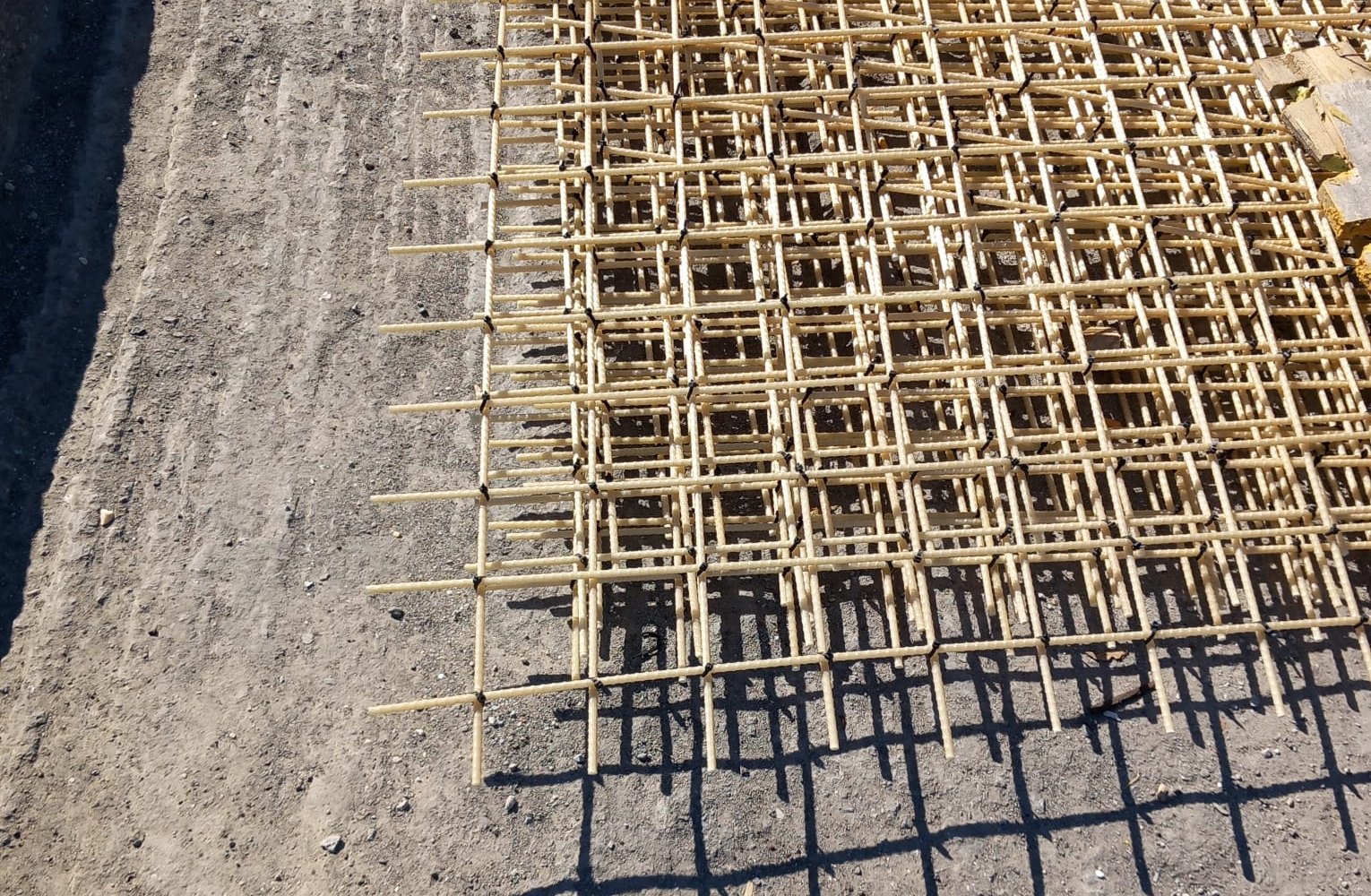
- Residential building from 1977 whose column reinforcement had been badly damaged by corrosion.
- Solution: jacket 19 columns with 7 cm of high-performance concrete reinforced with GFRP.
- The original, oversized sections keep carrying compression; the new reinforcement takes the bending stresses.
Case 3 — Designing for GFRP from day one
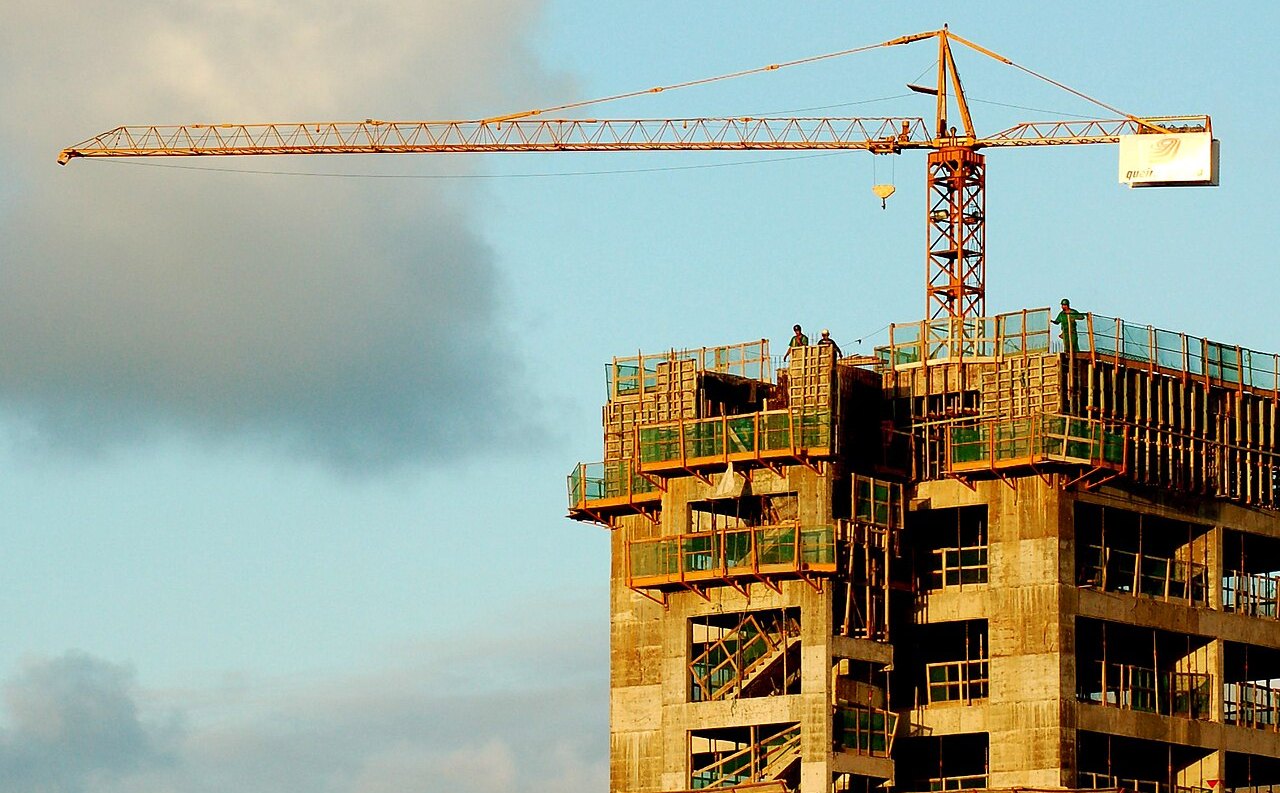
- The structural redesign cut the number of columns from 39 to 19.
- The original foundation system was replaced by a raft foundation.
- The estimated cost went from US$655,000 to US$538,000 — 18% less.
The real barrier: engineers' familiarity
According to the feature, the main obstacle to wider use of GFRP in Brazil is still that many structural engineers are not familiar with the material. The same is true in Panama — which is why selling bars is not enough:
- Design codes: ACI CODE-440.11-22 sets the requirements for structural concrete reinforced with GFRP bars that meet the ASTM D7957 specification.
- Differences to respect: GFRP has a lower modulus of elasticity than steel (FiberoX: ≥ 45 GPa), so deflection and crack width govern the design; it is not a bar-for-bar substitute.
- Certified data: FiberoX has a tensile strength ≥ 950 MPa (Ø ≤ 12 mm, technical assessment SK TP-23/0023) and Panama registration MICI R-3384-2026.
- Support: we provide technical support to engineers and contractors to size every element according to the code.
From Brazil to Panama: three lessons
| What was seen in Brazil | How it applies in Panama |
|---|---|
| Structural phases ~15% shorter, assembled with fewer workers | Housing, slabs and floors in areas with little skilled labour or difficult access |
| Corroded columns rehabilitated with jacketing + GFRP | Coastal buildings and corrosion-damaged structures that need a lasting repair |
| Savings from designing the whole structure around GFRP | Bring the supplier and the structural engineer in at the concept stage, not at the end |
Sources and further reading
- JEC Composites — "What GFRP rebar changed on Brazilian jobsites" (original article): jeccomposites.com
- American Concrete Institute — ACI CODE-440.11-22, building code requirements for structural concrete reinforced with GFRP bars: ACI announcement · preview (PDF)
- ASTM D7957/D7957M-22 — standard specification for solid round GFRP bars for concrete reinforcement: astm.org
- On our blog (Spanish): FiberoX GFRP: 100+ years of service life · LCA, LCC and TCO
Image credits
- Social housing under construction, Campo Grande (Brazil): WTF Formwork — Wikimedia Commons, CC BY-SA 3.0 (cropped).
- Building under construction, Recife (Brazil): herval — Wikimedia Commons, CC BY 2.0 (cropped).
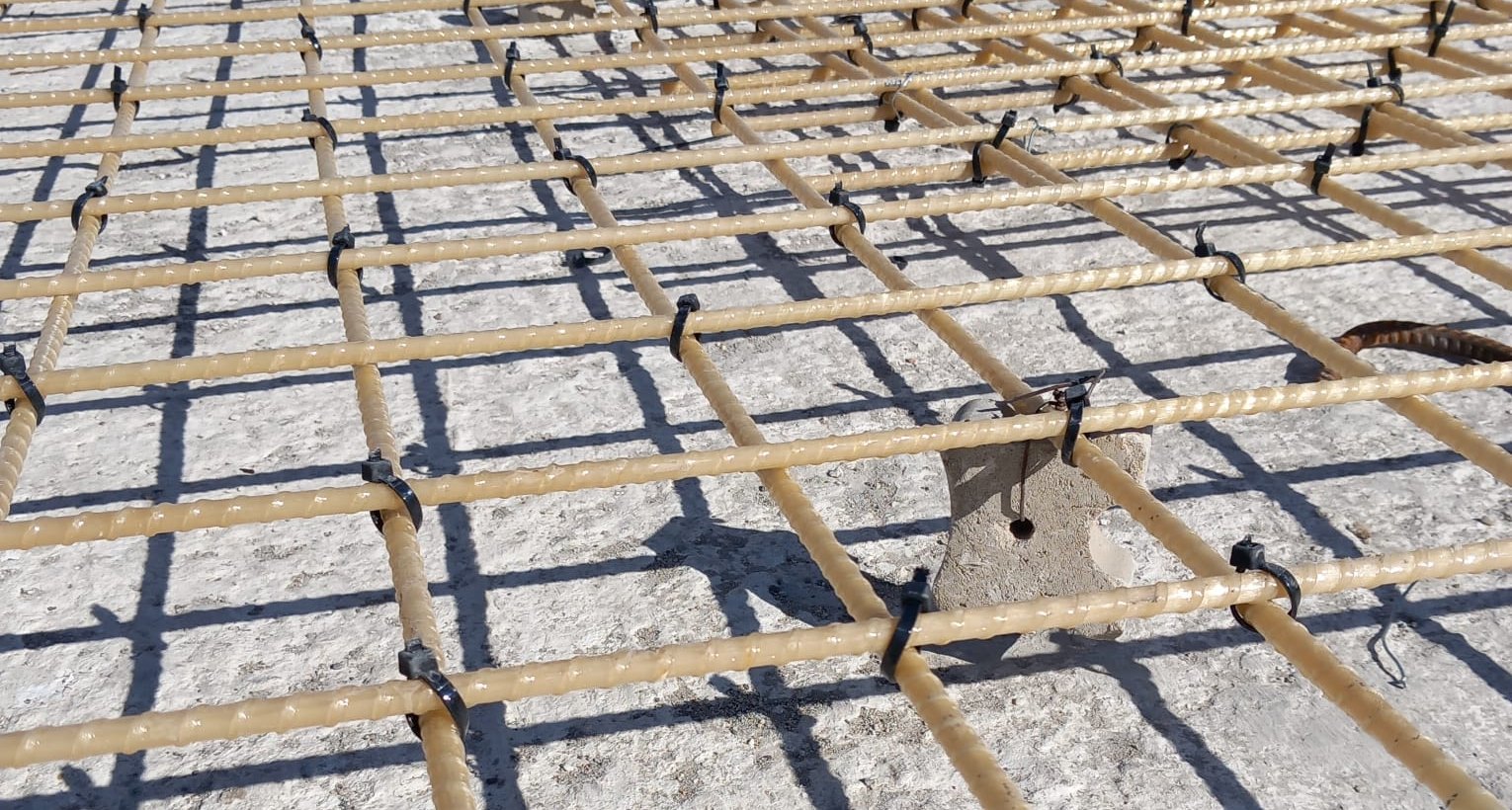
- FiberoX mesh photos: ISOThermal Innovations and FRP technologies s.r.o.
Note: this article is an independent commentary by ISOThermal Innovations based on information published by JEC Composites; the rights to the original text belong to its author and publisher. Names of people, companies and brands are cited for information purposes only. This content does not replace structural design by a licensed professional.
Contact
ISOThermal Innovations Inc.
📧 [email protected]
📲 WhatsApp: +507 6410-4364
🌐 isothermal.eco · isothermal.eco/fiberox
 EN
 ES